





Web development in 2026 has crossed a critical threshold where websites are no longer just digital interfaces but full-scale intelligent platforms that run core business operations. What used to be a combination of frontend design and backend logic has evolved into a tightly integrated system powered by artificial intelligence, distributed computing, privacy-first data flows, and modular services. Today, every serious digital product, whether it is a SaaS platform, a healthcare portal, a financial application, or an online marketplace, relies on its web layer to interpret user intent, trigger workflows, personalize content, and connect directly to operational systems. This is why web development trends 2026 are no longer about which framework to use, but about how to architect platforms that can think, adapt, and scale automatically.
The shift is being driven by how users now interact with the internet and how businesses generate value online. People no longer want to search, click, filter, and compare manually. They expect websites to understand what they want and act on it. At the same time, businesses must operate under strict privacy regulations, compete in AI-powered search environments, and deliver instant performance across the globe. These forces have pushed modern web development toward edge-native execution, AI-driven interfaces, LLM-optimized content, and composable backend systems. In this environment, the web becomes the primary growth engine of the business, not just a marketing channel. Understanding web development trends 2026 is therefore essential for any organization that wants to remain visible, competitive, and scalable in the AI-driven digital economy.
Web Development Trends 2026
Here, we will discuss the market-changing latest web development trends 2026, which can make a toughened stance for the branding of your business.
-
AI Agents Embedded Inside Websites
One of the most important web development trends 2026 is the rise of autonomous AI agents inside websites. These are not chatbots. These are goal-driven digital workers that can take instructions from users and perform real tasks across the platform. Instead of forcing users to click through menus and forms, AI agents interpret intent and execute workflows directly. This is transforming websites into self-operating systems that dramatically reduce friction and improve conversion.
How this trend changes web platforms
- AI agents execute real business actions
In web development trends 2026, AI agents can book appointments, submit support tickets, search internal databases, and complete checkout flows. This removes the need for complex navigation and reduces the time required for users to reach outcomes. - Websites become workflow engines
Instead of users manually performing steps, the AI agent orchestrates the backend systems. This allows SaaS platforms, healthcare portals, and e-commerce sites to operate with far less human input while increasing user satisfaction. - Conversion rates increase through intent-based execution
When users describe what they want in natural language, the AI agent completes the process. This is one of the biggest conversion breakthroughs in web development trends 2026. -
Edge-Native Web Architecture
A defining pillar of web development trends 2026 is edge-native architecture. Modern web platforms no longer rely on distant cloud servers to process requests. Instead, logic runs at the edge, closer to the user, which delivers instant responsiveness and real-time personalization. This is critical for AI-driven, global, and high-traffic applications.
Why edge-first execution matters
- Near-zero latency user experiences
In web development trends 2026, content, authentication, and personalization happen at the edge, allowing pages to load and respond instantly anywhere in the world. - Real-time personalization without slowing down the site
Edge systems allow AI models to tailor experiences based on location, device, and behavior without making the user wait. - Scalable infrastructure for AI-powered web apps
Edge-native systems distribute load globally, making it possible to support millions of users with consistent performance. -
AI-Generated and Adaptive User Interfaces
Another transformative web development trend 2026 is AI-generated interfaces. Websites no longer show the same layout to every visitor. AI models generate and adapt layouts, content placement, and calls-to-action in real time to match each user’s intent. This creates hyper-personalized digital experiences that maximize engagement and conversion.
How adaptive UI works
- Layouts are created based on user behavior
In web development trends 2026, AI rearranges page structure depending on whether a user is browsing, comparing, or ready to purchase. - Content and CTAs are optimized for conversion
The system highlights the most relevant messages and offers for each visitor. - Every user gets a unique experience
Two people visiting the same site will see different interfaces because the AI adapts in real time. -
Privacy-First Web Architecture
Privacy-first design is no longer optional. It is a legal and business requirement in web development trends 2026. With cookies and invasive tracking disappearing, modern web platforms rely on first-party data and consent-driven analytics to deliver intelligent experiences without violating privacy.
How privacy-first systems work
- First-party data replaces third-party tracking
In web development trends 2026, businesses only collect data directly from users who give consent. - Secure, encrypted data storage
User information is protected at every level of the web stack. - AI personalization without surveillance
Machine learning models personalize experiences using on-site behavior instead of external tracking networks. -
LLM-Optimized Search and AI-Readable Websites
Search is now powered by large language models. A major latest web development trend in 2026 is building websites that are readable by AI systems that extract answers directly from content. This requires semantic HTML, structured data, and natural-language explanations inside pages.
What LLM-optimized websites require
- Structured content for AI extraction
In web development trends 2026, pages must clearly define entities, facts, and relationships so AI can summarize them accurately. - Natural language answers embedded in content
Websites must respond to how people ask questions, not just keywords. - Machine-readable data layers
APIs and structured markup allow AI systems to retrieve content directly. -
Multimodal Web Interfaces
One of the most user-facing web development trends 2026 is multimodal interaction. Websites now accept voice, images, documents, and camera input in addition to text and clicks. This makes web platforms faster, more accessible, and easier to use.
How multimodal interaction improves web platforms
- Voice-based navigation and commands
Users can speak to search, filter, and interact with web apps. - Image and camera input
In web development trends 2026, users can upload photos to find products or verify identity. - Document scanning and form automation
Forms can be auto-filled from uploaded files or images. -
Composable and Headless-Everything Platforms
Modern web platforms are assembled from independent modules. This composable architecture is a cornerstone of web development trends 2026. Content, commerce, payments, search, and personalization all run as API-driven services that can be swapped or scaled independently.
Why composable architecture dominates
- Faster product development
Teams can build and update parts of the system without touching the whole platform. - Multi-channel delivery
In web development trends 2026, the same backend powers websites, mobile apps, WhatsApp, and partner integrations. - Enterprise-grade scalability
Each service scales independently as demand grows. -
Server-Driven and AI-Adaptive UI
In web development trends 2026, the server controls what users see. Instead of fixed frontend layouts, servers send UI instructions that AI models modify in real time based on user behavior.
Why server-driven UI is powerful
- Instant UI updates without redeployments
Layouts and offers change dynamically. - Personalized experiences at scale
Every user sees a version of the interface optimized for their intent. - Continuous experimentation and optimization
A/B testing happens in real time without frontend changes. -
Zero-Trust and Built-In Web Security
Security is foundational in web development trends 2026. Zero-trust architecture means every request must be verified, regardless of where it comes from. This protects modern web platforms from advanced cyber threats.
How zero-trust protects web platforms
- Every user and device is authenticated
No request is trusted automatically. - Least-privilege access
Systems only grant the minimum permissions required. - Continuous monitoring and threat detection
Attacks are detected and blocked in real time. -
Performance Built into the Architecture
Performance is no longer an afterthought. It is embedded directly into modern web systems. Streaming rendering, edge caching, and adaptive loading ensure that even complex AI-driven sites remain fast and stable. This is a core part of web development trends 2026.
How performance is achieved
- Edge rendering for instant responses
Pages load from servers close to the user. - Streaming server-side rendering
Content appears immediately instead of waiting for full page loads. - Adaptive loading strategies
Only what is needed is delivered to each user. -
Generative AI
Generative AI is a trend in the web development field that helps businesses design dynamic and customized use experiences. It is a process that entails generating website content, code snippets, and images tailored to individual user preferences in realtime using AI algorithms.
This is a trend that is going to transform the web development field in 2026 and beyond by enhancing rapid prototyping, producing on-demand marketing materials, personalized responses in chatbots, and facilitating business scalability via generative AI applications & tools.
Generative AI is set to benefit industries such as media, customer support, and e-commerce, among many others, by leveraging generative AI capabilities for more scalable and flexible businesses.
In the long run, businesses will enjoy better visibility, streamlined workflows, and cost-effective personalization, which will help businesses stay ahead of the competitive market by attracting a huge customer base.
The only challenge that business owners and developers should put into consideration is the possible biasness, which can lead to making wrong decisions. Therefore, as much as generative AI is set to transform the web development field, the concerned parties should approach the entire matter with proper attention to avoid biasness.
-
Voice Search Optimization

This is a web development trend set to program the websites to support more voice search queries made through smart devices such as mobile devices, smart speakers and virtual assistants, the likes of Siri and Alexa.
As the voice search continues to gain momentum, this trend is set to grow even bigger and better in 2026 and beyond.
The process involves using natural language processing, structured data, and long-tail keywords to facilitate the website’s relevance in relation to what the users are searching.
Among the many ways businesses like hospitality, food service, and retail, among many others, benefit from voice search optimization, include enhanced local SEO, a wider audience reach, and improved traffic. Such businesses thrive on real-time user queries.
-
Utility-First CSS Frameworks
Utility-fist CSS frameworks are among the web development trends set to transform the industry come 2026 and beyond. In this trend, CSS frameworks such as Bulma and Tailwind CSS are the preferred choice since they offer ultimate flexibility and simplicity in web development processes.
The utility-first CS framework trend facilitates low-level utility classes direct to HTML elements, thus simplifying the design process and eliminating the need for custom CSS extensions.
This, in turn, helps developers produce polished and highly responsive designs that function seamlessly across different devices. What’s more, the trend facilitates reduced file size, hence optimized loading times for an enhanced user experience. With the many benefits the Utility-first CSS framework trend has to offer, it is key for developers to master the skills and technologies behind this web development trend in 2026 and beyond.
GitHub, Heroku, Headspace, Stripe, and Airbnb are among the top brands already using this technology trend to enjoy the following benefits:
- Enhanced collaboration – the CSS frameworks are simplified, thus facilitating a uniform coding style that enables different developers to work collaboratively on the same project.
- Responsive development – with these frameworks, it becomes easy for developers to develop a responsive design, which facilitates design consistency across different devices.
- Streamlined design process – this tech trend simplifies the design process since it comes with predefined classes, ready for execution, hence no need for custom CSS.
- Reduced file size – with utility-first CSS frameworks, you only include the relevant styles in relation to the project you are handling, thus maintaining stylesheet lean, which improves loading times.
- Growing adoption – Utility-first CSS framework is a tech trend in the web development field that is gaining a lot of popularity, with many developers already embracing it, thanks to its effectiveness and speed, which enhances streamlined workflows.
-
VR/AR Implementation
AR – augmented reality & VR – virtual reality are among the tech trends set to transform the web development field in 2026 and beyond. These two technologies are changing how users interact with the website, facilitating an advanced user experience and immersive engagement.
While AR enhances the digital information display in the real world, creating an accurate product visualization and interactive user experience, virtual reality plays a big role in creating virtual tours, displaying interactive training, and product descriptions to users.
Entertainment, education, and ecommerce are examples of industries that will benefit more from VR and AR implementation in the web development field, offering its users an interactive and immersive experience as they interact with the content on the website.
-
Machine Learning in the Browser
Machine learning is a tech trend in the web development field that entails deploying machine learning models to operate directly in the browser for instant data processing. In this case, developers don’t need to worry about server-side operations. In the end, web apps can make insightful predictions and decisions in accordance with user interactions.
Duolingo, Amazon Go, Netflix, Grammarly, and Google Lens are examples of brands already embracing this technology as they benefit in the following ways:
- Better user experience – the advanced features in machine learning, like predictive text and personalized suggestions, create an experience tailored to meet what users want.
- Offline functionality – users can access the website even when offline, thanks to machine learning models that facilitate this functionality. This doesn’t limit users from completing specific actions even when not connected via the internet.
- Instantaneous interactivity – web apps are more interactive and more responsive since the machine learning in the browser facilitates real-time responses to user queries.
- Reduced server dependency – with machine learning processes on the browser, it means no need for server-side computation, hence accelerated data processing and efficient processes.
-
5G Technology
The web development industry is advancing and becoming more reliable mobile connections with an accelerated speed, thanks to the 5G technology, which facilitates a solid multimedia experience and reduces latency on the web
The accelerated 5G speed, which is 100 times more than the 4G, enhances faster load times, instant data processing, and smooth streaming services.
Businesses like healthcare, entertainment, and ecommerce, among others, are set to benefit a lot from 5G technology. For instance, a seamless use experience and highly interactive & responsive websites enhance a wider userbase and a better user retention rate, thus growing and expanding the business rapidly.
-
Green Web Development
Globally, the sustainability concept is gaining momentum in diverse sectors, and the web development field isn’t exceptional. Among the list of 2026 web development trends set to transform the industry is green web development, which advocates for activities that align with corporate social responsibility with the aim of attracting consumers who are eco-conscious.
In this case, the websites must follow eco-friendly designs and be optimized for energy usage. This creates an environment with less impact on maintaining and hosting digital platforms.
In a nutshell, the green web development advocates for the following:
- Opting for web hosting services that use carbon offset programs or use renewable energy to enhance a sustainable web.
- Compressing videos and images to reduce the carbon footprint of the website
- Writing clean and reliable code to reduce the required energy for loading and running the site.
-
Blockchain integration
As part of enhancing different aspects of web development, developers are adopting the blockchain integration trend to create a decentralized ecosystem from the centralized web platforms.
In this case, users can easily take charge of their data and interactions, thus making blockchain technology a real deal. The fintech industry, for instance, is already embracing blockchain integration for better security, transparency, and better user control.
The main aspects of blockchain integration trend in web development include the following:
- Applying smart contracts for streamlined and automated transactions and overall business processes.
- Integrating blockchain technology for streamlined financial management processes, decentralized data management, and better security.
- Introduction of cryptocurrency payments where more websites accept crypto as a reliable payment method.
-
API-First Design
In the API-First design trend in the web development field, the developers focus on creating APIs – application programming interfaces first during the development process. By focusing on APIs first, it becomes easy for developers to define how different components will interact with one another in the system.
Spotify, Uber, Stripe, and Netflix are examples of top brands that have already adopted API-First design.
The core values of API-First design include the following:
- Better flexibility – by creating APIs first, developers have greater flexibility when choosing the ideal frameworks and technologies to use in different sections of the system.
- Streamlined collaboration – with API-First design, there is a streamlined collaboration among the development teams. This makes it easy to integrate different components of the software.
- Saves costs and time – API-first design helps the development team to save on costs and time. This is because developers often identify and correct issues, if any, during API development.
- Better scalability – building a well-designed API before anything else in an app development process helps developers set the base for scalable app development, which can accommodate any changes and growth accordingly.
- Industry adoption – With different brands, PayPal, for instance, adopting API-First design, it is clear that the tech trend is set to grow even bigger and better, thanks to its accelerated development speed and the better flexibility it offers.
-
Jamstack
Jamstack is yet another game changer in the web development field come 2026 and beyond. Made of JavaScript, APIs, and Markup, Jamstack excels in separating frontend and backend for instant loading via prerendered pages for better SEO ranking and seamless user experience.
The technology uses CDNs – Content delivery networks to ensure timely content delivery across the globe. It is known for its improved scalability; hence a real deal in handling high traffic volumes while creating a seamless workflow, giving developers room for creativity and innovation.
By separating the backend from the frontend, Jamstack enhances better security, hence making it a real deal in web development.
Netlify, Sony Music, The New Yorker, Hugo, Twitch, and Adidas are among the top brands that are already using Jamstack technology due to the following benefits;
- Better security – Jamstack thrives when it comes to better security, thanks to the static sites feature that offers solid and reliable protection against all forms of vulnerabilities and cyber threats.
- Global reach – thanks to the CDNs feature of Jamstack, it is now easy and faster to deliver content globally with a local experience.
- Instantaneous loading – Jamstack allows instant loading of prerendered pages, thus performing 10 timesmore than the traditional sites. This enhances the SEO rankings while creating better user engagement.
- Top-notch scalability – Jamstack can handle any type of traffic without experiencing any challenges. During peak and off-peak times, the site will always remain stable.
- Highly reliable – with Jamstack, developers get to enjoy a seamless workflow, streamlined collaboration, and an easy way to make updates. In this case, developers don’t need to worry about server maintenance, hence focusing on how to make an app even better.
-
Server-Driven UI
Server-driven UI is one web development trend that is transforming the web development industry. In this case, the server determines how the UI should look like instead of executing the code on the client side.
In simple terms, the server determines the overall UI outlook by providing guidelines on the overall UI structure, making updates, and content in an efficient and dynamic manner.
Airbnb, Lyft, and Shopify are examples of brands already using server-driven UI technology because of the following advantages:
- Adaptability – server-driven UI technology enhances an adaptive and personalized user experience thanks to its streamlined AB testing and customization option.
- Quick updates – With server-driven UI, it is easy and smooth to update UI components; you don’t need to adjust or modify the code on the client side, and this enhances efficient and quick updates.
- Saves bandwidth – the server-derive UI allows transmission of only relevant UI details, thus optimizing bandwidth for accelerated loading thus enhancing the overall use experience.
- Simplified Frontend – The frontend code becomes simplified with server-driven UI since the server takes charge of all UI rendering activities, thus streamlining the development processes and making work easier for developers.
-
PWA (Progressive Web Apps)
In the row of website development technologies, expert developers consider PWA as a remarkable trend. The progressive web application can meet the expectations of the market in recent times. Naturally, investors also prefer this technology for providing a highly simplified user experience as per the need of contemporary time.
Check: progressive web app cost
Now, take a look at the key advantages of progressive web apps, which bring substantial differences over the traditional web development culture.
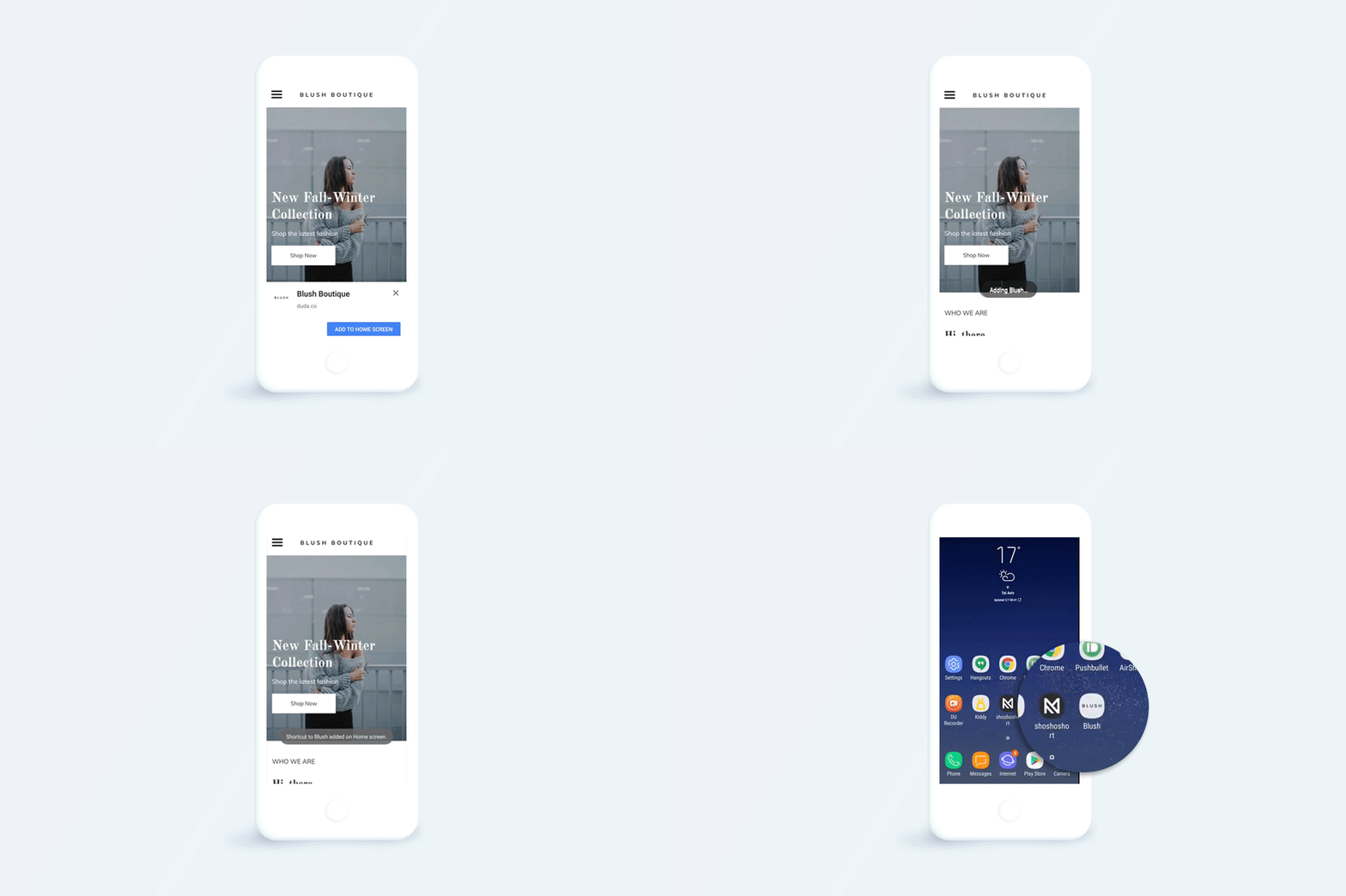
- It allows the websites on smartphones with the same speed as PC and laptops and also creates a convenient virtual platform having high communicational aptitudes.
- This technology makes the shell architecture so brilliant that it can meet the versatile needs of the applications.
- It resolves the loading time related to conventional issues, which used to push the rank of the website to the bottom line. So, indirectly, PWA features force visitors convinced to stay on your website for information.
- PWA automatically supports the trend of digital marketing as it has the facility of push notification. So, without disturbing consumers for downloading an additional app, you can send promotional messages to the consumers using the PWA platform.
Check: progressive web app development company
-
WebAssembly
As an investor, you never want to compromise about the performance of functional features of a website. But in conventional websites, sometimes the limitations of javascript used to increase the loading time in case of heavy calculations.
Now, the appearance of Webassembly makes your web application ready for providing a simplified and faster user experience. Moreover, the Webassembly helps the browser to measure up any coding of different programming languages into bytecode. So, this technology simplifies rigid coding for the browsers.
Here it’s advantages:
- High-end security
- Programming language independent
- Hardware independent
- Fast coding execution
So, without Webassembly, web development projects do not reach the height of the smooth user experience.
-
Chatbots
For a couple of years, the web development sector has been going through the exclusive implementation of the chatbots feature. Moreover, this technology has changed the traditional concept of user-admin communication. Moreover, it reflects the benefits of high-end integration. More importantly, the chatbots make automated communication processes more viable and establish a flexible communication bridge between users and admins 24×7. Without any human involvement, chatbots resolve the basic queries of the users. So, it helps to reduce the cost of customer care professionals and reflects the problem-solving aptitudes of the overall business application.
Check: How to develop a chatbot
All the discussed stuff shows the latest approaches to web development in 2026. So, as a CEO it’s high time to realize the sustainable and fruitful technology for the business websites. Thus, the ever-changing tendency of web development aptitudes creates a revolution in the technology sphere, to implement real-time advantages of remarkable user engagement.
-
Single-Page Applications
SPAs are JavaScript web apps that enhance the loading of a single HTML page in the browser while updating the content as required without having to refresh the page. Twitter, Facebook, and Google are among the top entities that have adopted the use of SPAs.
The advantages of SPA include the following:
- Provide crucial information to users on a single page
- They take less server space
- They are cost effective
- It is easy to create SPAs because of the AngularJS framework
Therefore, SPAs are beneficial to both website visitors and developers as well, and it’s among the trends that will keep advancing in the years to come.
-
Mobile-First Development
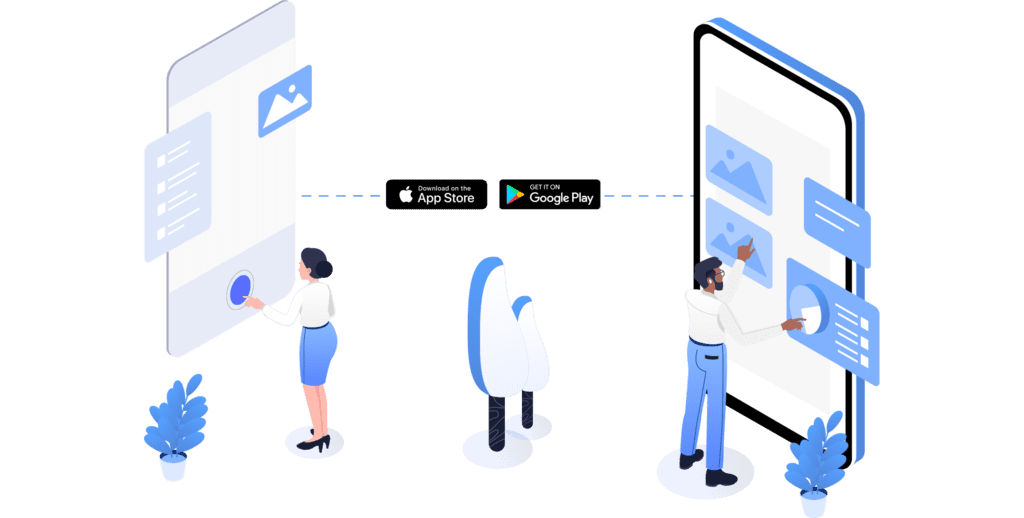
The increased usage of smartphones explains why developers are on the move to implement the mobile-first development approach in the web development field. Although several developers have been using this approach for years, the trend is set to take a new dimension in 2026 and beyond because of the ever-growing use of smartphones for various things, such as shopping, communication, and other businesses.
-
Serverless Architecture
One thing that developers have always wished for is a tech trend that minimizes costs of development, data loss, and technology that minimizes the system’s overloading. Therefore, serverless architecture has made it possible for developers to enjoy all these benefits.
Running through cloud technology, the serverless architecture enables users to run the code virtually for all apps or backend services without any administration. Among the top corporates using serverless architecture include Microsoft, Google, and Amazon. With the trend proving beneficial, many companies are likely to embrace the concept in the coming years.
-
Minimalism
Minimalism is all about designing systems using fewer software and hardware solutions to cut costs. For instance, Google search has a simplified design, enabling users to keep their focus on significant aspects only.
In the web development field, low-code or no-code, a perfect example of minimalism, enables developers to create high-quality websites without using much effort. Besides simplifying the developer’s work, these apps enhance the smooth and easy flow of work and business at large. Above all, the platform comes with ready plugins and templates that help create websites with helpful features.
-
Edge Computing
This is an emerging trend in the web development niche. Through the integration of Internet of Things devices, it is key for web developers to enhance real-time processing for a better user experience.
Edge computing, therefore, is a process that involves data processing near the source to enhance network operations and minimize latency. Therefore, when designing and optimizing apps, it is essential to factor in the edge computing trend.
-
WCAG- Web Accessibility Guidelines
Another trend topping the 2026 trends and beyond in web development is the WCAG well accessibility. These guidelines help developers develop websites that comply with disability guidelines, i.e., ensuring people living with different disabilities can access websites and navigate through them easily.
The WCAG has a set of practices and standards developers should follow to ensure all the website content is all-inclusive and user-friendly to every person, including those with disabilities.
The use cases of WCAG include the following:
- Keyboard navigation – ensuring enhanced keyboard navigation for persons who cannot use the mouse.
- Well-structured content – including headings, sub-topics, and highlighted content for users with learning issues or cognitive impairments.
- Compatibility with screen reader – To enable visually impaired users to access and use the website easily.
- Captioned videos – To enable users with hearing disabilities to access the website content by reading captioned videos.
- Alternative text for images – This helps visually impaired users understand the website content with ease.
The advantages of a WCAG-compliance website include the following:
- Expanded audience reach
- Improved overall user experience
- Inclusivity – ensuring every person can access the website
- WCAG compliance and legal protection
-
GraphQL
Instead of RESTful APIs, GraphQL is one emerging trend that is shaping the future of web development. Through GraphQL, developers can gather useful client data to define what they need. This, in turn, helps developers define a clear strategy to help them deliver what the clients want, thus improving the performance of the products or services and reducing network overhead.
-
Microservices
Microservices is an architecture that has been in the web development space for a while. In 2026 and beyond, microservices are a tech trend that is likely to scale even higher.
This tech trend involved breaking apps into smaller services that are independent to enable the development team to be flexible to adjust or make changes where necessary, scale web applications, and ensure the high performance of the final products delivered.
-
Headless CMS
Headless architecture is the technology behind IoB and IoT integration into modern websites. The headless architecture enables developers to deliver API-driven content across different devices and applications to attain a bigger user base and improve the overall user experience.
Although headless isn’t a new concept in the web development space, it is a wider concept covering different ideas in the web development niche. For instance, in the year 2026 and beyond, developers ought to shift their attention to a headless CMS (headless content management systems), which brings in a lot of flexibility to enable developers to use their preferred frontend frameworks while ensuring content optimization as a key element across different devices with different specs.
In fact, developers are already implementing headless WordPress by integrating the latest frontend tools to bring out the best user experiences, which in turn enhances scalability, overall performance, and secure systems.
-
Cybersecurity
Cybersecurity is one major trend in the web development industry that will always be a top concern for developers.
The online space keeps on advancing to higher heights, and this means developers must devise plans to ensure maximum data security, authorization processes, and authentication processes are considered through the web development processes.
Therefore, practicing the latest best practices in web development, updating the systems regularly, and putting in place solid security measures are among the top concerns that will help developers address issues with cybersecurity.
-
Zero Trust Architecture (ZTA)
Another trend that is set to shape web development in 2026 and beyond is the zero trusts architecture (ZTA).
As mentioned before, cybersecurity is a top concern in web development. Therefore, ZTA is simply a solid security approach used by developers to promote maximum security as users navigate through the online space.
The principle of ZTA is that no user or device is secure by default despite their network or location. ZTA is the ultimate solution, especially for business owners who want to secure their businesses and operations from cyber threats.
Ideally, ZTA assumes that potential cyberattacks or threats can come from anywhere, hence the need to close all possible loopholes.
-
Metaverse integration
Metaverse integration is all about integrating technologies such as mixed augmented or virtual reality into online platforms to create an engaging and interactive environment to enhance user experience.
In 2026 and beyond, developers are on the move to implement metaverse integration as a way of connecting digital and physical worlds to create a supportive and interactive online experience.
While metaverse integration can be a complex process, it plays a key role in enhancing the viability of the website.
Below are some major user cases of metaverse integration in web development:
- Social platforms – through metaverse integration, social media users can enjoy an interactive environment with friends, attend events, and explore virtual spaces.
- Ecommerce –Through metaverse integration, users can experience a product in a real and engaging manner, try a product before buying, and enjoy interactive products before making the final purchasing decision.
- Education and training – the education industry is also revolutionizing at a rapid speed. Through metaverse integration, students can enjoy an engaging & interactive earning environment and explore different learning styles, including 3D experiences. All these make the overall learning experience just perfect for every student.
- Real estate & tourism – There are many ways metaverse integration connects in the real estate and tourism field. For instance, visiting historical sites, travel destinations, and touring properties virtually allow users to reach places with ease and explore a lot through metaverse integration.
- Entertainment & Gaming – For that captivating and real-time gameplay, metaverse integration plays a key role in creating a whole new experience in the gaming industry.
It is evident that metaverse integration has lots of benefits, especially for the users. It creates memorable experiences while creating interactive environments for users.
-
Core Web Vitals
This trend guides developers on how to enhance the website’s performance by implementing the core web vitals, as stated by Google.
These core web vitals ensure a visually stable, highly responsive, and high-performing website. The core web vitals, according to Google, include;
- FID – First Input Delay – shows the time taken for a website to react to a prompt. For instance, clicking on the link.
- LCP – Largest Contentful Paint – Shows time taken for a website to load key content on the screen
- CLS- Cumulative Layout Shift – Shows how stable the visual elements of a website are.
Once you consider these three core web vitals, you can be sure to enjoy a stable, faster, and seamless experience as you navigate through the websites. What’s more, these core web vitals will increase your SEO web rankings and retain more users.
Final Words
Web development in 2026 is defined by intelligence, adaptability, and architectural precision. Websites are no longer simple digital touchpoints. They are AI-powered business platforms that interpret intent, automate workflows, personalize experiences, and operate securely at global scale. From AI agents and edge-native execution to privacy-first data flows, multimodal interfaces, and LLM-optimized discovery, the modern web stack has become the core growth engine for digital-first organizations. Businesses that adopt these web development trends 2026 will be positioned to deliver faster experiences, higher conversions, stronger compliance, and deeper customer engagement across every channel.
To compete in this environment, companies need more than designers or frontend coders. They need teams that understand AI integration, distributed architecture, security engineering, and performance-driven development. This is why forward-looking organizations choose to hire web developers who can build intelligent, scalable, and future-ready platforms rather than just websites. The right development partner will not only implement the latest technologies but will also architect a digital foundation that supports long-term growth, AI-driven operations, and continuous innovation in an increasingly competitive digital economy.
FAQs on Web Development Trends 2026
1. What are the most important web development trends for 2026?
The most important web development trends 2026 include AI agents inside websites, edge-native architecture, AI-generated and adaptive user interfaces, privacy-first design, LLM-optimized search, multimodal web interfaces, composable and headless platforms, server-driven UI, zero-trust security, and performance-first architecture using edge rendering and streaming.
Alongside these, core technologies still shape modern platforms, including generative AI, voice search optimization, utility-first CSS frameworks, VR and AR, machine learning in the browser, 5G, green web development, blockchain integration, API-first design, Jamstack, progressive web apps, WebAssembly, chatbots, mobile-first development, serverless architecture, GraphQL, microservices, headless CMS, WCAG accessibility, Core Web Vitals, and metaverse integration.
2. How does AI change modern web development in 2026?
AI transforms websites from static interfaces into intelligent systems that understand user intent, personalize content, and execute actions such as bookings, purchases, and support workflows. In web development trends 2026, AI agents, generative AI, and machine learning allow platforms to automate large parts of the user journey and backend operations.
3. Why is edge computing critical for web platforms in 2026?
Edge computing allows websites to run logic closer to users instead of relying on distant servers. This delivers near-instant page loads, real-time personalization, and better performance for AI-driven applications. It is essential for global platforms that need speed and scalability.
4. What does privacy-first web development mean?
Privacy-first web development means collecting only consent-based, first-party data and protecting it through encryption and secure processing. With cookies and cross-site tracking disappearing, web development trends 2026 rely on ethical data use while still enabling AI-powered personalization.
5. How are websites optimized for AI search engines in 2026?
Websites are built using semantic HTML, structured data, and natural-language content so AI systems can extract answers directly. This LLM-optimized architecture allows platforms to appear in AI search results, conversational assistants, and AI-generated summaries.
6. What are AI-generated user interfaces?
AI-generated user interfaces dynamically change layout, content, and calls-to-action based on user behavior. In web development trends 2026, this allows every visitor to see a version of the website that is optimized for their intent and likelihood to convert.
7. Why are composable and headless platforms important?
Composable platforms allow content, commerce, payments, and personalization to operate as independent services. This makes web platforms easier to scale, update, and deploy across web, mobile, and messaging channels without rebuilding the entire system.
8. How does multimodal interaction improve web experiences?
Multimodal interaction allows users to speak, upload images, scan documents, or use their camera to interact with websites. This reduces friction, improves accessibility, and makes digital platforms faster and easier to use.
9. What is zero-trust security in web development?
Zero-trust security means every user, device, and request must be verified before access is granted. This protects web platforms from cyber threats and is a key part of secure SaaS, healthcare, and financial web systems in 2026.
10. Why is performance considered a core feature in 2026?
Performance is built directly into modern web architecture through edge rendering, streaming server-side rendering, and adaptive loading. Fast, stable websites improve SEO, user retention, and revenue, making performance a foundational requirement in web development trends 2026.
Hope you’ve got the top web development trends for 2026, for more info contact us!
Also check: Hiring Top Web Developers in India | iOS App Development Trends